admin
admin
Minnesota’s fraud scandal has mushroomed into a national story, with federal investigators and congressional oversight zeroing in on what lawmakers describe as systemic failures across multiple state programs. Republicans on the House Oversight Committee have presented whistleblower accounts and internal documents suggesting that millions — by some estimates into the billions — were siphoned from taxpayer-funded social services while state officials downplayed or ignored warning signs.
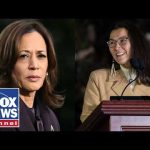
During testimony, GOP state Rep. Kristin Robbins laid out sharp accusations that the Walz administration turned a blind eye and even retaliated against employees who raised alarms, and she specifically noted Lieutenant Governor Peggy Flanagan’s prior legislative role on panels that oversaw childcare and related fraud hearings. Robbins’ remarks have crystallized into a central charge from Republicans: officials who were supposed to protect taxpayers instead protected the status quo.
The political fallout is immediate. As Flanagan pursues higher office, her critics are seizing on the scandal as evidence that Minnesota’s Democratic leadership failed to safeguard public funds, turning what should be a local accountability issue into a major talking point across the state and beyond. Polling and campaign analyses show the fraud narrative can narrow margins and change the dynamics of competitive races, giving Republicans ammunition to argue this is more than routine politics.
Calls for further probes and even subpoenas have followed, with former party officials and oversight advocates urging deeper document production and testimony from those close to the governor’s office. If officials involved won’t voluntarily explain how oversight broke down, then formal congressional and state-level investigatory tools must be used to get answers and hold people accountable.
Conservative observers see this as a test of whether accountability still matters in American government: when fraud is alleged at scale, pressure shouldn’t shrink just because the accused are influential or well-connected. Republicans are framing the 2026 cycle as a potential inflection point — a chance to insist on transparency, demand prosecutions where appropriate, and restore trust in institutions that have been allowed to rot by political expediency.
This episode ought to sharpen the appetite for reform rather than quiet it. Lawmakers and investigators must follow the paper trail and the testimony without partisan soft-pedaling, and voters deserve a clean accounting of how nearly a decade of warnings could go unanswered. If officials want to rebuild confidence, they’ll start by answering direct questions under oath and by accepting the consequences of their failures.