Staff Reports
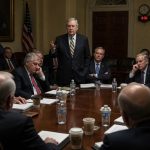
President Donald Trump surprised reporters with an unscheduled appearance in the James Brady Press Briefing Room after meeting with Qatar’s prime minister. He delivered blunt, headline-making lines about Iran — saying “Iran militarily is effectively over,” using the word “decapitated,” and even naming possible infrastructure targets like “38 bridges.” He mixed hard-edged policy talk with a cheeky personnel joke about UFC president/CEO Dana White as a possible press secretary. It was short, sharp theater — and it deserves a clearer purpose than a late-night tweet storm.
What the president actually said about Iran
Big words, big targets
Mr. Trump’s core message was unmistakable: the administration is signaling strength while leaving options on the table. Saying Iran is “effectively over” and that parts of its military have been “decapitated” is meant to reassure allies and warn adversaries. At the same time, announcing that the U.S. has identified infrastructure targets — including “38 bridges” among others — is a specific threat. That kind of talk can deter aggression, but it also raises real questions about strategy, rules of engagement, and who signs off on the next step.
Diplomacy and the Qatar meeting
Back-channel work and a public show
Mr. Trump’s remarks came right after a meeting with Prime Minister Sheikh Mohammed bin Abdulrahman bin Jassim Al Thani of Qatar. That’s no accident. Qatar has been playing a mediator role, and the White House is trying to have it both ways: pursue talks while reminding Tehran there are consequences. Fine. Negotiations deserve daylight and heft. But if you’re going to say the conflict is “effectively over,” you owe the country and Congress a clear plan explaining what that means in practice — not only a dramatic sound bite in the briefing room.
The theater of staffing and tone
Press-secretary jokes and a softer immigration line
Then there was the lighter moment: Mr. Trump said he was “only kidding” when he floated Dana White as a possible press secretary — which, for the record, would be great TV and questionable press strategy. The quip underscores another trend: the White House is mixing pop-culture theater with high-stakes foreign policy. At the same time, the president has signaled a softer edge on immigration, telling interviewers his deportation message “might have been too tough.” That combination of theater and tone-shift is driven, in part, by the midterm losses and the need to recalibrate politically. Politics will always bite into policy — but national security needs steadier hands than campaign mode.
What to watch next and why it matters
Clarity, congressional oversight, and results
This surprise briefing packed headlines, but headlines are not a strategy. The American people deserve clarity: does “effectively over” mean a lasting diplomatic settlement, a pause in military action, or simply rhetorical deterrence? Will the White House put a legal and congressional process around any future strikes it threatens? And will the administration stop treating staffing and messaging like a reality show? For now, take the president’s toughness as reassuring, but demand the follow-through: clear policy, briefings to Congress, and a plan that protects Americans without turning bright rhetoric into avoidable escalation.