Staff Reports
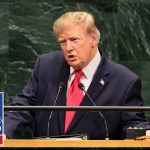
President Donald Trump surprised the diplomatic establishment by announcing that U.S. envoys held a three-hour sideline meeting with Iranian officials at the United Nations General Assembly, a disclosure that underscores his administration’s relentless drive for results rather than endless rhetoric. Naming U.S. Special Envoy to the Middle East Steve Witkoff and Special Envoy for Peace Jared Kushner as participants, the President called the session “very good,” signaling that pragmatic diplomacy can happen outside the usual, slow-moving channels. For hardworking Americans worried about energy prices and national security, this is the kind of bold, outcome-focused posture they elected.
Sideline Diplomacy That Delivers
Trump’s revelation that envoys sat down with Iran — reportedly including Iranian Foreign Minister Abbas Araghchi — is newsworthy because it shows the U.S. is engaging where others only posture. There was no flashy press conference or bureaucratic press release, just real negotiations aimed at de-escalation and stabilizing maritime and energy routes that affect American families. Conservatives should celebrate the use of trusted private envoys to cut through paralysis in Washington and get things done on the ground.
What This Means for Energy and Security
The practical implications are clear: these talks could ease pressure on oil and diesel markets and reduce threats to shipping in the Strait of Hormuz, which hit American pocketbooks during previous crises. Iran’s opening positions — lifting blockades, returning frozen assets and ending certain hostilities — set a negotiating table where tough concessions can be traded for real security gains. This is the kind of leverage politics and focused diplomacy can achieve when leadership refuses to be passive.
Real Leadership on Ukraine and Energy
At the same time, President Trump urged President Volodymyr Zelenskyy to avoid striking diesel-producing infrastructure in Russia, tying military choices to global energy stability and the interests of American consumers. That frank, no-nonsense counsel may have drawn criticism from Kyiv, but it reflects a leader who places American jobs, prices, and supply chains at the center of foreign-policy calculations. Voters want a Commander in Chief who balances moral clarity with strategic prudence, not endless moralizing that ignores the domestic fallout.
What we need now is transparency and follow-through: an on-the-record readout of attendees and topics from the White House and continued pressure to secure concrete, verifiable commitments from Tehran. The mainstream press and career diplomats who prefer process over results will grumble, but conservatives should back President Trump’s multi-track approach that mixes hard power credibility with smart negotiations. This is how peace is won and how America protects its interests abroad and prosperity at home.