Staff Reports
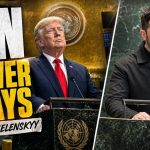
President Donald Trump left the United Nations hall with a message meant to rattle Tehran and rally the base: a short, sharp warning and a political clock ticking down. If you missed the speech, watch the clip — then brace for what the next six weeks might bring.
A six‑week ultimatum?
“Or do I annihilate the Islamic Republic and do it quickly, never giving them a chance to kill and destroy people and countries again? Do I drive them into hell with no chance of survival or hope of future greatness or generations?” That’s not campaign bluster — it’s presidential warning delivered at the UN General Assembly, and it matters because words from that podium change strategy on the ground.
On The Will Cain Show, Heritage’s Victoria Coates and FDD’s Clifford D. May broke down what the president meant: a narrow diplomatic window tied to U.S. politics and battlefield realities. The network’s framing was blunt — the next six weeks could either produce a deal or lock in a path to wider conflict — and that’s the clearest way to read the tone and the timing.
Operational tempo: strikes, proxies, and fast escalation
The theater isn’t just rhetoric. U.S. strikes on Iranian targets, Iranian proxy attacks, and Houthi assaults on commercial shipping have become the ugly new normal. In a matter of days or weeks small incidents can cascade — a misinterpreted strike, a vessel hit in the Red Sea, an ally responding — and suddenly diplomacy is playing catch‑up to battlefield facts.
For regular Americans that means more than headlines: greater risk to deployed troops, more government money diverted to contingency operations, and a foreign policy that becomes reactionary instead of strategic.
At the pump and on the docks
Here’s the part the elites like to ignore: when shipping routes choke — think Strait of Hormuz or Bab al‑Mandeb — oil prices spike and shelves empty. Shipping insurance costs rise, commodity prices follow, and ordinary families feel it at the gas station and grocery store long before pundits notice the memo.
If the next six weeks deliver sustained attacks on commercial traffic, expect a quick feedthrough to energy markets and a political headache in Washington that no amount of diplomatic theater will paper over.
The politics of leverage and the Cuba sidebar
Trump tied his timeline to American politics, suggesting a deal might wait “right after the election.” That’s not accidental — leverage increases or evaporates with who sits where in Congress. Short windows sharpen bargaining but also raise the temptation for dramatic, irreversible moves.
And yes, Cuba was part of the same speech — called a “failed state” with “freedom will be coming to Cuba,” prompting a walkout. The administration is signaling a broader posture: pressure, public naming, and an appetite for regimes‑change rhetoric. That posture may win applause in some rooms, but it also narrows the margin for diplomatic maneuvering where consequences hit everyday Americans.
So here’s the quiet truth: a president’s words at the UN can become orders at sea and bills at the pump. Will Washington use those six weeks to open a path to a real, enforceable deal — or will it let a short political calendar and dramatic rhetoric turn limited strikes into a wider war whose costs land on working families?