Staff Reports
President Trump says he’s cut a deal with Iran that will, among other things, reopen the Strait of Hormuz — and oil markets reacted the way markets always do: relief first, questions second. Crude prices plunged, investors smiled, and suddenly the politics of pump prices are a lot easier for the White House.
Markets loved the headline. Main Street might, too.
Allianz chief economic adviser Mohamed El-Erian was on TV noting the obvious: when you reduce a major geopolitical risk, oil prices fall. That matters. Lower crude ripples into cheaper diesel for truckers, smaller heating bills for families, and a little breathing room for businesses squeezed by inflation.
So yes, if this actually holds, Americans could see tangible savings at the gas pump. That’s not trivial — it’s the kind of everyday relief that voters notice faster than any policy brief.
Reopening the Strait: what it actually means
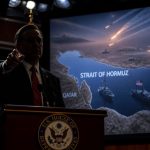
The Strait of Hormuz is the choke point through which a huge chunk of the world’s oil flows. If Iran agreed — formally or implicitly — to let shipping traffic resume without harassment, that immediately eases a supply-side scare that had been keeping prices elevated.
But “reopen” is a diplomatic word with a lot of baggage. Who enforces the reopening? What guarantees were made? Will international insurers lower premiums right away? The answers will decide whether this is a durable fix or a temporary market lull.
There are trade-offs. Big ones.
Deals like this are always a package: security assurances, inspections, sanctions choreography, and a lot of back-channel trust. Give Iran wiggle room on sanctions enforcement or sanctions relief and you may get cheaper oil — but you also risk emboldening the regime and its proxies across the region.
That’s not abstract. American sailors, Israeli citizens, and Gulf partners live with the consequences if Tehran feels its leverage has grown. And American energy workers, drillers, and service companies feel the hit if oil stays low for too long. Politics and livelihoods both hang in the balance.
Watch the verification, not the headlines
Markets will calm if tankers keep moving and insurance rates fall. But the real test is verification: cameras, inspections, independent monitoring — concrete proof that Iran won’t weaponize this breathing space. Otherwise the market rally is just a paper relief for a paper promise.
So enjoy the cheaper gallon while it lasts. But ask yourself: are we trading long-term security for short-term savings, and who pays the bill if that bargain collapses?