admin
admin
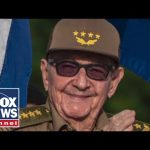
Federal prosecutors unsealed a criminal indictment on May 20, 2026 accusing former Cuban leader Raúl Castro of murder and conspiracy for his alleged role in the 1996 downing of two civilian planes operated by the exile group Brothers to the Rescue. The Justice Department’s announcement in Miami marks a dramatic escalation in long-running efforts to hold the communist regime accountable for one of the darkest episodes in U.S.-Cuban relations.
The charges reportedly carry the gravest possible penalties — up to life in prison or even the death penalty — though legal experts and officials acknowledge the real-world prospect of bringing a 94-year-old, powerful former head of state into a U.S. courtroom is slim. For nearly three decades the families of the four Americans killed in the shootdown have demanded justice, and this indictment is the clearest move yet to deliver it.
This move did not come out of nowhere; the Trump administration has been steadily increasing pressure on Cuba, and prosecutors in Miami have been quietly building a case for years that finally reached fruition this month. The unsealing of the indictment on May 20 is part of a broader strategy to hold authoritarian regimes to account and to reaffirm that crimes against Americans will not be forgotten simply because time passes or because the perpetrators cloister themselves in hostile states.
Unsurprisingly, Havana lashed out, with President Miguel Díaz-Canel denouncing the charges as politically motivated and dismissing U.S. actions as aggression. But it’s the reaction in Miami — among Cuban exiles and the families who lived through this tragedy — that matters most, and they have long demanded the kind of accountability our leaders have now pursued.
Conservatives should welcome this as the kind of principled, tough-minded foreign policy Americans have a right to expect: justice for victims and a signal that the United States will confront communist brutality rather than normalize it. While cynics will scowl and media elites will bleat about politicization, standing up to regimes that murder civilians is not politics — it’s patriotism and the defense of human dignity.
There will be plenty of hand-wringing from the left about optics and timing, but hardworking Americans know the truth: deterrence and moral clarity matter. Prosecuting those who gave orders to kill sends a message across the hemisphere that America still believes in accountability and will back the brave, anti-communist voices who have suffered for decades. Support for firm, decisive policy toward communist regimes is not merely ideological — it protects liberty and honors the memory of the victims.