admin
admin
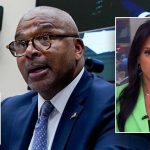
On June 9, 2026, House Judiciary Republicans hauled Southern Poverty Law Center officials before a committee in a hearing bluntly titled “The Southern Poverty Law Center: Manufacturing Hate,” and the exchange was nothing short of a reckoning for an organization that for decades has wielded influence from the sidelines. Lawmakers pressed the SPLC on its methods and alleged political targeting, forcing the group onto record in front of the American people.
The hearing came on the heels of a dramatic federal indictment announced on April 21, 2026, charging the SPLC with defrauding donors by secretly funneling millions into an informant program that prosecutors say paid leaders of extremist groups. That indictment raised obvious questions about where donor dollars went and whether the SPLC’s public crusade against so-called “hate” came with hidden, corrupt accounting.
When SPLC interim CEO Bryan Fair took the hot seat, he repeatedly fumbled answers about the group’s notorious “hate map” and struggled to explain why conservative and religious organizations routinely end up on the same list as violent extremist cells. Republican members rightly pointed out the glaring double standard that sees mainstream conservative groups labeled while violent left-wing actors are ignored, and Americans watching at home saw a familiar pattern: an activist nonprofit that has drifted far from impartial civil-rights work.
Meanwhile, state officials and civil-rights observers have piled on scrutiny. Alabama’s attorney general opened a civil probe in May 2026 into the SPLC’s inner workings, and the group has pleaded not guilty to the federal charges, insisting the informant program was lawful intelligence-gathering. Conservatives are not calling this a vendetta; they are demanding transparency and accountability from a powerful nonprofit that has too often acted like judge, jury, and executioner toward faith-based and civic organizations.
This controversy is also a story about influence: House committees and oversight investigators have documented close relationships between the SPLC and federal employees, raising alarms that ideological lists could creep into personnel and policy decisions across government. Parents and pastors watching their churches and school boards labeled as extremist deserve to know whether a private group’s political biases have been used to steer government action.
Hardworking Americans should take the June hearings as a wake-up call. We can applaud genuine investigations into real hate, but we must also oppose any political weaponization of civil-society institutions that silence dissenting voices and chill religious liberty. Congress must follow the facts to their end, protect free speech, and ensure that no organization, left or right, can use donor money and political clout to pick winners and losers in our civic life.