Staff Reports
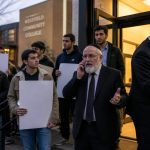
The St. Paul City Attorney, Irene Kao, announced her office will not bring Minnesota state charges against the protesters who burst into Cities Church during a Sunday service this winter. That decision landed like a thunderbolt for the congregation and legal team that expected local prosecutors to hold those who interrupted worship accountable. Instead, Kao framed the choice as a legal balancing act between free speech and religious freedom — a neat bit of legal dance that leaves a lot of real-world harm standing in the pews.
Why the City Attorney Said No Charges
Kao says her office reviewed videos, reports and other evidence and concluded there was not enough to meet the legal test for state prosecution. In her words, prosecutors have “a legal and ethical obligation to file charges only when the available evidence establishes probable cause and supports a reasonable likelihood of conviction beyond a reasonable doubt.” She also warned the decision is not an endorsement of disorder and emphasized balancing “equally important rights” like the right to peacefully protest and the right to worship.
Federal Charges Still on the Table
Don’t confuse the city’s decision with an end to accountability. The Justice Department has already brought federal charges against dozens of people connected to the same incident, using statutes that protect houses of worship. Those federal cases — with roughly 38 to 39 defendants named in indictments — are moving forward in court. So while St. Paul won’t pursue state-level misdemeanor and gross-misdemeanor charges, federal prosecutors are treating the disruption as a possible violation of civil-rights and related laws.
Why Churches and Conservatives Are Outraged
True North Legal, representing Cities Church, reacted with scorn and alarm. Their lawyers say the city attorney’s decision treats the sanctuary like a public sidewalk that anyone may seize during a service. Pastor Jonathan Parnell warned this reasoning could be cited to justify storming mosques, temples or cathedrals — as long as the intruders call it a “protest.” Doug Wardlow of True North called the ruling a sign the law will bend for those aligned with political power, a charge that lands hard in communities that feel targeted.
The Real Question: Law or Politics?
There’s a real legal point here about what evidence meets the state’s burden and how to distinguish disruptive but lawful protest from unlawful invasion and intimidation. But there’s also a political point: when citizens see sanctuaries invaded and no local charges follow, trust in the system erodes. If prosecutors truly believed violence or property damage didn’t occur, say so with clear facts. If they worried about a weak case, explain what evidence was missing. Hand-waving that rights must be “balanced” is not comfort to families who say they were terrorized during worship. The federal cases will matter, and so will the public’s demand for clarity and consistency in how we protect religious freedom.