Staff Reports
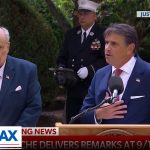
Transportation Secretary Sean P. Duffy just sent a straight‑talking letter to Ford CEO Jim Farley telling the company to stop cozying up to Chinese firms and to invest in American manufacturing. This isn’t corporate finger‑wagging — it’s a cabinet secretary warning that Ford’s recent deals create real national‑security and supply‑chain risks while leaving American workers on the hook. If you think that’s heavy-handed, try telling a factory worker their job can wait while the company chases foreign partners.
Duffy’s letter: blunt and specific
The secretary didn’t mince words. “When a company intentionally chooses to deepen operational dependencies on strategic competitors, it fails to act as the reliable partner the American public and this DOT require,” he wrote. He also reminded Ford that “Iconic American companies, like Ford, are also expected to out‑innovate competitors. To that end, they need to chart clear paths to technological self‑reliance.” Duffy pointed to concrete examples: Ford’s use of licensed battery technology tied to Contemporary Amperex Technology Co. (CATL) at BlueOval Battery Park in Michigan, the new manufacturing tie‑up with Geely in Spain, and a reshoring timetable for Lincoln models that stretches years into the future.
Why this matters: security, jobs, and supply chains
This isn’t just corporate drama. CATL appears on federal lists that raise security flags for procurement and critical infrastructure. Letting core battery technology and production depend on firms linked to strategic competitors leaves the U.S. supply chain vulnerable and gives leverage to regimes that don’t share our interests. At the same time, delayed reshoring and foreign joint ventures can hollow out domestic manufacturing jobs and slow the innovation America needs to lead the next auto revolution.
BlueOval, Geely and the choice Ford faces
Ford’s BlueOval Battery Park was pitched as an onshore success story, but licensing arrangements with CATL undercut the message. The Geely deal in Valencia shows Ford still values global cost plays over domestic capacity. Ford can have access to technology without outsourcing control. Or, Ford can keep making headlines with foreign partners while policymakers — and voters — push for rules that favor truly American production. The choice isn’t ideological: it’s strategic and financial, and it will decide whether Ford is a champion of American industry or a player in someone else’s ecosystem.
Bottom line: Ford should heed the warning
Sean Duffy’s letter should be a wake‑up call, not a PR footnote. If Ford wants to remain an American icon, it needs to accelerate reshoring, cut risky dependencies on Chinese technology, and invest where it counts — here at home. Otherwise, Congress and regulators might decide for them. For a company that builds dreams called Mustangs and F‑Series, it would be a shame to let cheap global deals become the thing that defines them. America’s security and its workers deserve better than that gamble.