Staff Reports
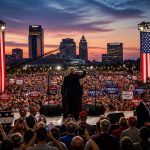
President Donald Trump used a campaign rally stage in Wasilla to do something Washington sometimes forgets how to do: grant mercy. He stepped out, called two Alaska diesel mechanics up, and signed full, unconditional pardons for Zachary John Czubak and Patrick Fleming — co‑owners of the Arm Rippin Toys shop who had pleaded guilty under federal Clean Air Act charges. The moment was loud, public and unmistakably political, but it also put a spotlight on a real problem — how far federal regulators should reach into the lives of people keeping trucks running in Alaska’s brutal cold.
Onstage pardons: spectacle meets relief
The pardons were handed out in front of a cheering crowd while Mr. Trump campaigned for Senator Dan Sullivan. He made the point bluntly: these men were fixing engines so trucks wouldn’t die in the cold, and the federal government punished them for it. That’s the shorthand he used to justify the clemency — an “unconditional pardon” for each mechanic. It wasn’t done behind closed doors; it was done on the stage, with cameras and applause, and that matters. This was legal relief and political theater rolled into one.
Why the mechanics were prosecuted
The legal record shows the three co‑owners of Arm Rippin Toys pleaded guilty in 2022 to conspiring to violate the Clean Air Act after their shop removed or disabled emissions equipment on several diesel vehicles. Federal investigators warned that removing emissions parts can spike pollution a lot. But life in Alaska is different than life in Washington: diesel engines that won’t start in subzero weather can mean stranded supply trucks and frozen livelihoods. That context doesn’t erase the law, but it does explain why locals and their senator pushed back hard.
Politics and policy: EPA rules collide with Alaska reality
This was never going to be only about court papers. Senator Dan Sullivan and other Alaskan officials framed the prosecutions as federal overreach that hurt small businesses and drivers who simply needed safe, working trucks in cold weather. Environmental groups and the EPA framed it the other way: removing emissions controls harms public health. The pardons force the country to pick sides: technical enforcement of national rules, or local common sense in extreme climates. For Trump and his supporters, the choice was obvious — protect the people who keep America moving.
What a presidential pardon actually does
A full presidential pardon wipes federal criminal liability, but it doesn’t automatically erase the court’s findings of fact or cancel any state penalties or civil claims. In plain terms: these men are forgiven by the federal government, but the paperwork and headlines don’t rewrite every record. Expect the EPA and the Justice Department — or environmental advocates — to grumble and frame this as undercutting enforcement. Expect Alaskans and small business owners to cheer. The legal fine print is boring; the political fallout won’t be.
At the end of the day, the onstage pardons were about more than two mechanics. They were a statement: federal rules should not be blind to real‑world consequences, and the people making those rules should answer when enforcement looks like a spread‑sheet crusade instead of common sense. If Washington wants to keep air clean and trucks running, lawmakers should rewrite regulations to fit places that get dangerously cold. Until then, expect more pardons, more rallies, and more fights over whether we protect rules or the people who have to live with them.