admin
admin
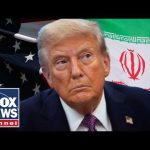
President Trump made it crystal clear this week that America will not tolerate a Houthi blockade of the Red Sea, telling reporters in the Oval Office that “we’ll just have to take care of business” if the Iran-backed rebels move to choke off global shipping lanes. That blunt promise is exactly the kind of strength the world needs from the White House — deterrence works when your adversaries know you mean what you say. The president’s message to the Houthis was not bluff; it was a warning grounded in recent U.S. military action and resolve.
The threat from the Houthis is real and it’s tied directly to Tehran’s playbook of using proxies to disrupt regional stability and global commerce. Yemen’s rebels have declared a blockade targeting Saudi-linked vessels in the Bab el-Mandeb Strait, a move that could widen the conflict and spike oil prices if left unchecked. Americans who value free trade and secure supply lines should be relieved to see the administration ready to respond decisively.
Meanwhile, President Trump signaled to Tehran through Fox News that the United States is contemplating far more consequential measures if negotiations collapse — from striking nuclear sites to degrading Iran’s ability to project power, with explicit threats to bridges, power plants and even key oil infrastructure. These are not idle threats; they are calibrated pressure designed to force Iran to the table and to protect American and allied interests in the region. The president’s willingness to name specific objectives takes the guessing game away from our enemies and reminds them there are real costs to aggression.
Retired Vice Adm. Robert Harward told Fox’s Sunday panel that the administration may be using a pause in strikes to reposition forces and prepare for a larger operation, even suggesting that decisive options — including the potential for ground deployments — are being weighed. Harward’s assessment underscores a sober reality: deterrence sometimes requires demonstrating overwhelming capability and the readiness to follow through. For a nation that wants peace through strength, preparing every option is the responsible course.
The president’s tough posture came after a string of targeted strikes and defensive measures that have degraded Iranian capabilities and sent a clear message to Tehran and its proxies. The American people want their leaders to defend U.S. interests and allies; these strikes and warnings are evidence that the administration understands the stakes and is willing to act. Let the record show we will not apologize for defending freedom and global commerce against rogue regimes.
Experts on the panel also warned that Russia and China are lining up behind Iran with material and intelligence support, which only strengthens the case for a robust U.S. response and for rebuilding our own deterrent capacity. That reality demands Congress and the American people back a strategy that shatters adversary calculations, replenishes stockpiles, and funds the technology and munitions our troops need to win. Weakness invites chaos; strength restores order.
Patriots should applaud a commander-in-chief who puts American security first, holds Tehran and its proxies accountable, and refuses to bow to threats that endanger global commerce and our strategic partners. Now is the time for unity behind a bold, clear-sighted foreign policy that brings peace by ensuring our enemies understand that attacking American interests will come at an unacceptable price.