admin
admin
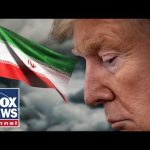
An explosion was reported in the Strait of Hormuz as tensions spiked between the United States and Iran, further underscoring how fragile global energy routes remain and why American strength matters. Reports from major outlets described a tanker being struck and separate detonations near shipping lanes, a stark reminder that chaos in the Gulf threatens prices and livelihoods back home. On Sunday, August 2, 2026, President Donald Trump said he had called off a planned massive strike and instead moved to negotiations—an unexpected but consequential pivot that changed the immediate calculus.
The president admitted a plan had been in place for what he called “the biggest attack since World War II,” yet he chose to give diplomacy a shot after consultations with Gulf partners and others. Conservatives should not confuse prudence with weakness; Trump’s decision to pause a full-scale strike while keeping overwhelming force on the table shows real leadership and discipline. America can and must hold the sword ready while using it sparingly to protect our interests and citizens.
Trump announced that technical talks aimed at winding down hostilities and reopening the Strait of Hormuz were scheduled to begin Monday, August 3, 2026, a development that could restore vital shipping lanes if verified and enforced. Gulf states including Saudi Arabia, Qatar and the United Arab Emirates reportedly pressed for de-escalation, and their voices mattered in preventing an even larger conflagration. The point is simple: strong diplomacy that follows demonstrable strength is the conservative path to real, enforceable peace.
Fox News’ Trey Yingst and Heritage-linked voices like Steve Yates covered the shift toward negotiations on air, with Yates urging a tough-minded approach that pairs talks with ironclad guarantees and credible military leverage. Conservatives watching ‘Fox & Friends First’ heard the right refrain: negotiate from power, not from begging or moralizing. This is a moment to demand verification, meaningful enforcement, and contingency plans that make walking back to force painless if Iran cheats.
Make no mistake, the reports of shipping being attacked in and around the strait are not abstract—they are actionable threats that demand a muscular American response if diplomacy falters. Analysts and maritime trackers have documented projectiles and strikes that put commercial crews at risk and disrupt global energy supplies, proving that talk without teeth will collapse quickly. Our message to Iran and its proxies must be clear: comply or be made to suffer real consequences, and America will not be deterred by saber-rattling from the left or faint-hearted elites.
Even as negotiations begin, President Trump and his commanders have publicly warned that strikes remain an option if the talks fail to produce tangible results, which is exactly the posture that preserves peace through strength. Conservatives should applaud the dual approach: relentless pressure at sea and on the battlefield paired with a willingness to seize a real diplomatic opening when the enemy shows its hand. This is not appeasement; it is strategic patience backed by readiness to act, and it is the only policy that protects American families and global stability.
For hardworking Americans watching from Main Street to the oil fields, this episode is a test of resolve and a reminder that peace secured by power keeps our economy humming and our children safe. Support leaders who deliver clear goals—open the Hormuz, stop Iran’s nuclear threat, and ensure reparations for attacks on commerce—and don’t be fooled by the panic from coastal elites who prefer soundbites over security. Stand with a policy that defends America first: negotiate hard, verify everything, and never surrender the instruments of national power.