admin
admin
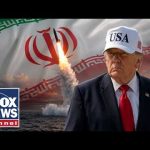
Fox News correspondent Trey Yingst delivered a blunt update this week as President Donald Trump announced he was calling off a planned, massive strike on Iran — a move that stunned the usual parade of late-night armchair generals. The decision, Yingst reported, came amid fresh diplomatic overtures and urgent pleas from regional partners that convinced the president to give talks a chance.
Mr. Trump himself framed the pause as conditional, saying he would refrain from ordering the assault while negotiators worked toward a deal, even after warning that the U.S. had prepared strikes of an unprecedented scale. The president’s language was unmistakable: the military stood ready to target Iranian infrastructure if diplomacy collapsed, a posture he says forced Tehran back to the table.
Conservatives should recognize the difference between feckless retreat and tactical restraint; here, decisive threats backed by readiness produced leverage without immediately sacrificing American lives. Allies in the Gulf reportedly asked for time to pursue a diplomatic path, and the administration accommodated that request while keeping military pressure on the regime. That blend of muscle and willingness to negotiate is precisely the posture that brings results, not endless moralizing.
Make no mistake: Iran’s behavior — from attacks on shipping lanes to strikes against regional partners — forced this moment of confrontation, and it remains a dangerous adversary that must be punished when it threatens American interests. The president’s announced targets have included power and oil infrastructure designed to cripple Tehran’s ability to fund its proxy war, a painful but effective approach to ending the decades-long aggression. Smart, calibrated strikes on those assets are the kind of pressure that finally compels negotiation.
At the same time, constitutional and practical realities cannot be ignored. Congressional oversight and the War Powers Act will inevitably enter the debate as the president weighs further military action, and lawmakers of all stripes must face the consequences of their choices — either fund the mission and the munitions to finish it or provide a clear path to a negotiated settlement. This is not a moment for Washington dithering; it is a moment for accountability.
Reports that munitions inventories and operational tempo are factors in campaign planning should concentrate minds on one simple truth: if America is to defend its interests, Congress must ensure our military has what it needs and stop the political posturing. Critics who only see weakness in a pause fail to grasp that operational readiness and strategic patience can be as lethal to an enemy’s plans as a single, dramatic strike. Leadership means using all instruments of power intelligently.
For patriots who want a safer world, the lesson is clear — demand leaders who will threaten with conviction, negotiate from strength, and support the troops who carry out those orders. President Trump’s decision to halt strikes while keeping the pressure on may not satisfy every pundit, but it shows a commander-in-chief who understands leverage, consequences, and the heavy responsibility of ordering war. The watchword now should be vigilance: insist on results, back the men and women in uniform, and do not let Tehran regroup.