Staff Reports
Tensions are rising in the Middle East as the Iranian regime flexes its muscles, particularly around the critical shipping lanes of the Strait of Hormuz. Recently, Tyrron has taken significant steps in response to attacks on Beirut, making a bold move by closing off this crucial waterway. This development has heightened anxieties not just in the region but around the globe, thanks to the strait’s importance in international oil trade.
In the context of these events, a U.S. delegation, led by Vice President JD Vance, is gearing up for important negotiations in Islamabad, Pakistan. Accompanying him are special envoys Steve Witkoff and Jared Kushner, as they seek to navigate these choppy waters and broker a deal with Iran. The stakes are notably high; a stern message from President Trump emphasizes that all U.S. military personnel and assets will remain on standby in the vicinity of Iran until a firm and lasting agreement is reached.
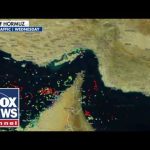
As this diplomatic dance unfolds, reports indicate that only four vessels successfully navigated the Strait of Hormuz yesterday. Described as the gateway through which about 20% of the world’s oil passes, Iran maintains its firm grip over this strategic chokepoint. The control of the strait has become a bargaining chip for Iran, with the regime insisting that any vessels wishing to transit must coordinate with their military. Meanwhile, Vice President Vance has issued warnings, stressing that a lack of cooperation from Iran could lead to serious consequences, including the resumption of military engagement.
Amid all this, Israeli military action against Hezbollah is escalating. Recent airstrikes reportedly led to a substantial number of casualties, including Hezbollah fighters and civilians in Lebanon. Israeli leaders have reiterated their determination to continue their operations, warning that they are prepared for full-scale conflict if needed. The reiteration of military readiness from Israeli officials sends a clear signal that the region is on edge, with the potential for expansive conflict lurking in the backdrop.
As the situation evolves, questions remain regarding Iran’s commitment to a peaceful resolution. There are worrying signs emerging from Tehran, particularly statements from high-ranking officials who seem to contradict earlier agreements aimed at facilitating a ceasefire. This inconsistency raises concerns that Iran may maintain its nuclear ambitions while simultaneously trying to throw a wrench into negotiations. The possibility of a continued standoff—or worse, a return to warfare—hangs heavy in the air.
With Iran’s control over the Strait of Hormuz presenting a significant threat to global shipping and energy trade, the actions taken in the coming days will be pivotal. The geopolitical landscape is shifting, and whether or not a deal can be reached will greatly influence not just the nations involved, but also the economic stability of countries around the world. As this drama unfolds, all eyes are on the leaders navigating these treacherous waters, hoping they find a path to peace rather than conflict.