admin
admin
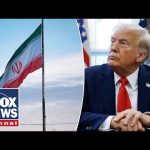
President Trump’s announcement that the United States has reached a framework to halt the fighting with Iran and open a pathway for negotiations has roiled Washington, and for good reason. What looks like a cease‑fire on paper must not become a blank check to Tehran; the public deserves a clear accounting of what was actually agreed and what remains unresolved.
Conservative voices on cable and Capitol Hill have pushed back against media panic while insisting on one steady principle: preserve American leverage until Tehran proves it will change behavior. Senators and administration allies on Fox have made the common‑sense point that diplomacy without teeth is vanity, and that maintaining pressure — not surrendering it — is the only way to compel Tehran to live up to any promise.
Meanwhile, Congress is rightly skeptical and is already flexing oversight muscle, with the Senate narrowly rejecting efforts to curtail the President’s ability to act as the situation evolves. Lawmakers on both sides are demanding details because a rushed or secretive process that lifts pressure without enforceable steps would be a strategic mistake.
Intelligence officials add another sober note: top analysts say Iran’s intentions remain unclear, and the CIA has reportedly warned that Tehran may not be ready to deliver the verifiable concessions the U.S. needs. Conservatives who favor peace must also insist on honest intelligence and enforceable verification — empty assurances from Tehran cannot be the basis for unraveling a successful policy of pressure.
Critics who rush to declare victory for appeasement forget the lessons of the past; major outlets and analysts note that the new framework is thin on nuclear restraints and silent in key technical areas. If the administration is to be judged on results, those results must include verifiable limits on enrichment, long‑term inspection rights, and real consequences for backsliding — anything less hands Tehran leverage, not peace.
This moment calls for muscular oversight, relentless transparency, and unity behind a clear strategy: keep sanctions in place until inspectors say otherwise, coordinate with allies to close escape routes for illicit funds and technology, and let Iran know that any violation will be met with immediate and severe consequences. The conservative case is simple — negotiate from strength, verify everything, and never allow diplomacy to be a shorthand for capitulation.