admin
admin
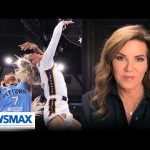
The WNBA’s latest capitulation to performative politics came into sharp relief this week when Toronto Tempo coach Sandy Brondello was suspended for one game after broadcast audio caught her calling Atlanta Dream star Angel Reese a “protected species” during a heated moment on the court. The league’s swift punishment and public statement about professionalism made it clear the WNBA would rather police language than let a moment of heated emotion pass in a competitive sport.
The exchange itself was hardly complicated: after a foul and an injury to Nyara Sabally, Brondello was overheard complaining to officials and used the phrase that, in her native Australia, is a colloquial way to complain about perceived preferential treatment. Brondello apologized publicly and said her words were a reaction to officiating, not a racial slight, but that apology was not enough for the league’s new sensitivity police.
Angel Reese, meanwhile, framed the episode as discrimination and expressed gratitude to the WNBA for taking action, a response that fed right into the league’s zero-tolerance posture on anything that might be labeled offensive. The WNBA’s statement — that coaches and personnel must uphold the highest standards of professionalism and respect — was trotted out as justification for the suspension, leaving no room for nuance or context in the heat of competition.
This is the social justice monster eating itself: leagues and institutions that once pretended to support toughness and competition now behave like speech police, ready to yank livelihoods and reputations at the slightest public outcry. Conservatives have long warned that when you prioritize virtue signaling over common sense, you create a climate where innocent mistakes and cultural differences become career-ending liabilities.
The Brondello drama is not an isolated incident; the WNBA has been mired in a string of controversies — from debates over All-Star imagery to players’ public political stances — that have alienated many fans who tuned in for basketball, not ideological theater. The league’s fixation on optics and identity politics has produced predictable results: more headlines about drama and fewer about the sport itself, which helps neither players nor those who pay the bills.
It’s time the WNBA and other sports leagues remember their product is competition, not censorship. Coaches should be allowed to coach, players allowed to play, and officials allowed to officiate without every utterance being parsed by outrage merchants with agendas that have nothing to do with the game.
Hardworking American fans—who fund these leagues with their time and money—deserve competitions free from bureaucratic moralizing. If the WNBA wants to survive and grow, it will need to stop kneeling to every performative outrage and start defending the simple truth that sports are supposed to bring people together, not tear them apart over a phrase heard in the heat of the moment.