Staff Reports
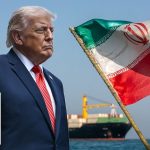
The Supreme Leader of Iran has thrown down a gauntlet: after U.S. defensive strikes in southern Iran, Ayatollah Khamenei warned that American military bases across the Middle East are no longer safe. That’s not the language of diplomacy — it’s a public escalation, aimed at stirring fear and testing U.S. resolve. Watch the clip below and decide for yourself whether Tehran wants negotiation or confrontation.
What Khamenei’s warning really means
When the Ayatollah says American bases are “no longer safe,” he isn’t bargaining — he’s signaling intent and consequence. Iran wants to make the region costly and dangerous for U.S. deployments, hoping to drive wedges between Washington and its partners. That’s a strategy, not a threat delivered in private; it’s meant to rally hardliners at home and unsettled leaders abroad.
Ordinary Americans will feel the fallout
This isn’t abstract. If Tehran follows rhetoric with proxy attacks on bases or shipping lanes, we’re looking at more American blood on foreign soil, higher insurance rates for merchant ships, and bumpier supply chains that hit prices back home. Families with loved ones stationed in Bahrain, Qatar, or Kuwait will sleep less easy, and every spike at the pump will be accompanied by a new round of political finger-pointing.
Deterrence, diplomacy, and the Abraham Accords
President Trump has pushed Arab states to sign the Abraham Accords as a regional firewall against Tehran — a plan to turn isolation into containment by normalizing ties between Israel and Sunni partners. Former NSC Chief of Staff Alex Gray has argued these alliances can blunt Iran’s ability to act with impunity. That’s grown-up foreign policy: build friends, raise the cost of aggression, and give Iran fewer places to hide its proxies.
What Washington needs to do next
Hard power and smart diplomacy must move together. Sending aircraft and missiles tells adversaries you can strike; sealing deals with regional partners tells them you can impose persistent costs without committing to endless wars. For the men and women in uniform and the truck drivers and small-business owners back home, the question is whether leaders in Washington will hold the line or let threats become a new normal.
Tehran just staked a dangerous claim. Will we answer with resolve and alliances — or hand them the leverage to make our lives more expensive and our sons and daughters less safe?