Staff Reports
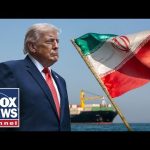
President Trump and Iran’s exiled opposition are both sounding the alarm: don’t hand Tehran a lifeline. That blunt phrase — lifeline — matters, because what looks like relief in Washington can look like repression paid for in Tehran.
Why the warning matters
When a U.S. president warns against giving Iran a “lifeline,” he’s talking about more than an abstract negotiating point. Sanctions relief or frozen-asset releases can translate into pistols for the Basij, paychecks for the Revolutionary Guard, or cash to fuel proxy wars across the region.
That’s not paranoia — it’s the arithmetic of kleptocratic regimes. Give money to a government that jails and tortures its own people, and you’re funding the machinery that keeps them in power.
What the opposition is telling us
Cameron Khansarinia, chief of staff to exiled Crown Prince Reza Pahlavi, puts it even more plainly: the Iranian people are starving for freedom, not favors for the regime. He says Tehran’s economy is cratering while the crackdown on dissidents only gets harsher, and he questions the legitimacy of cutting a deal with a government that rules by fear.
That’s not just political theater. Walk through a neighborhood in Tehran or listen to the families of jailed protesters, and you’ll hear the cost in human terms — livelihoods destroyed, futures stolen, voices silenced.
The real test: leverage, not charity
Anyone who cares about American security and human decency should insist that any engagement be conditional, transparent, and verifiable. If we rescue a regime that uses every penny to export chaos, then we’ve done the world and the brave Iranians in the streets a grave disservice.
President Trump’s point — don’t hand Tehran a lifeline — is a reminder that diplomacy isn’t charity. It’s leverage. Use it to free prisoners, stop missile programs, and let people breathe; don’t use it to grease the wheels of repression.
A choice for the country
This is a moment where ordinary Americans should pay attention. The choice being made in conference rooms affects the family down the street whose son is serving in the region and the refugee knocking on our door, fleeing the very rule we might be tempted to legitimize.
Support for the Iranian people isn’t sentimental — it’s strategic and moral. So here’s the question: are we going to be remembered as the nation that rescued a brutal regime, or the nation that stood with the people yearning to be free?