Staff Reports
The FBI and Department of Justice deserve credit for stopping what federal filings call a multi‑state plot aimed at the UFC event on the South Lawn of the White House. The arrests exposed talk of explosive‑laden drones, coordinated gun attacks and encrypted chats that sounded more like a dark fantasy than harmless trash talk. Still, fantasy or not, the danger was real enough that quick action mattered — and we should all be paying attention.
What happened: arrests, alleged plans, and the law‑enforcement response
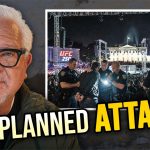
Federal prosecutors and court affidavits say agents disrupted an alleged plan to target the White House UFC event and arrested multiple people in a coordinated, multi‑state operation. Reporting names at least five arrests in states including Ohio, Missouri, Nebraska and California. Investigators say suspects discussed flying explosives in drones over the crowd and creating chaos with gunfire — and that encrypted group chats and maps were part of the alleged planning. FBI Director Kash Patel told the public the planned attacks were “stopped cold,” and officials credited rapid coordination between the FBI, the Department of Justice and the Secret Service for preventing what could have been a massacre.
Why this matters: public events, online radicalization, and national security
A widely publicized White House event is exactly the kind of soft target bad actors look for. That’s why the Secret Service — led by Director Sean Curran and Deputy Director Matthew Quinn — worked closely with the FBI, according to agency statements. This arrest story is part of a larger pattern: federal officials have warned of rising threats tied to online organizing and conspiracy theories. When talk about violence moves from forums into plans with weapons, it stops being free speech and becomes a national‑security problem that must be treated as such.
Questions left open — capability, timing, and communication
There are still important unanswered questions. How close were these suspects to actually getting drones with explosives or the weapons they discussed? Court filings suggest some equipment was still being sought, which matters for charges and public judgment. It’s also noteworthy that President Donald Trump and Vice President J.D. Vance said they had not been briefed before the arrests were announced; Vance called the alleged planning “not that advanced.” That prompts a legitimate debate about coordination, classified briefings and the public release of sensitive law‑enforcement moves — and whether the media and political class will use the episode to score points rather than support security.
Bottom line: the arrests are a law‑enforcement win, but they’re also a warning. We should praise the agents who moved fast, demand transparency from the DOJ and FBI about the strength of the plot, and push for stiffer penalties for anyone who moves beyond talk into planning violence. Congress should back the agencies doing the hard work, and everybody who traffics in violent rhetoric should be reminded there are real consequences. The lesson is simple: threaten Americans or their leaders, and you’ll find out the country still has people who will stop you — and, ideally, throw the book at you afterward.