Staff Reports
Georgia’s political spotlight just snapped back on Stacey Abrams — and not because of another voter‑registration drive. A Georgia Senate special committee has issued subpoenas demanding Abrams and two of her closest operatives appear at the State Capitol to answer questions about alleged campaign finance violations tied to the New Georgia Project. This is the news, plain and simple: the probe is moving from paper fines to sworn testimony.
What’s happening right now
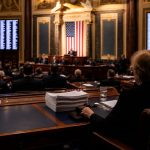
The Georgia Senate Special Committee on Investigations has formally subpoenaed Stacey Abrams, former New Georgia Project CEO Nsé Ufot, and longtime Abrams aide Lauren Groh‑Wargo to testify before lawmakers. Senator Bill Cowsert chairs the panel; Senator Greg Dolezal and Lieutenant Governor Burt Jones have publicly said the committee will follow the facts and that no one is above the law. Abrams called the move “partisan, performative” and said she would testify on a mutually agreeable date — which sounds a lot like delay tactics dressed up as cooperation.
Why this matters
This isn’t a new accusation pulled from the noise — it stems from a Georgia State Ethics Commission consent order. The New Georgia Project and a related group agreed to pay a record $300,000 civil penalty after the commission found they acted as undisclosed campaign actors in the 2018 cycle. Reports tied roughly $4.2 million in outside money and about $3.2 million in undisclosed spending to the effort. That’s a big sum and a big reason the Senate wants straight answers now, not months from now between sound bites and press release spin.
What comes next
Documents, testimony, and real oversight — not theater
The subpoenas can force testimony and documents. That’s how fact‑finding works. The committee can use what it learns to suggest new laws, refer evidence to prosecutors if anything criminal emerges, or simply make the public record clear. So far there are no criminal charges tied to this civil consent order. But if the goal is trust in elections and transparency in campaign finance, Republicans on the committee should press for documents, timelines, and clear answers — and not let “mutually agreeable” be a euphemism for “not showing up.”
Whatever your view of Stacey Abrams’ role in Georgia politics, accountability is not optional. Voting‑rights advocacy and campaign finance rules can — and should — coexist. If the New Georgia Project broke the rules, as the ethics commission found, lawmakers owe voters a full accounting. Let the subpoenas do their job, let witnesses testify under oath, and let the chips fall where they may. At the end of the day, Americans deserve clean elections and no political figure should get to lecture the rest of us about fairness while ducking questions about money.