Staff Reports
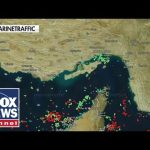
In a world gripped by tension, all eyes are on the Strait of Hormuz, a narrow waterway vital for global oil trade. Recently, a tenuous ceasefire between the United States and Iran has sparked concerns, particularly as Iranian state media has indicated a disturbing decision to halt the passage of oil tankers through this strategic route. Following weeks of aggressive airstrikes led by the U.S. and Israel that have severely compromised Iranian military capabilities, one can’t help but wonder who truly calls the shots in these turbulent waters—the Iranian Revolutionary Guard or the Iranian regime itself.
As U.S. Secretary of War Pete Hexath and the Chairman of the Joint Chiefs of Staff recently stated, this period of tense quiet is merely a “pause.” They made it clear that the armed forces stand ready if required to respond with the same efficiency and decisiveness that has characterized the last month of military operations. While some in the media may have interpreted remarks from President Trump as alarmist, they likely failed to recognize his communication style, which has often been misunderstood by critics as far more confrontational than intended.
The situation on the ground is anything but peaceful as Iranian state media escalates its rhetoric, even urging citizens to act as human shields around strategic sites. This starkly contrasts the regime’s blatant disregard for its own people, thrown into danger by leaders keen on maintaining power. As the Iranian regime continues to face severe internal strife, evidenced by large-scale protests and brutal crackdowns, it remains evident that the well-being of its citizens is not a concern for their leaders.
In light of this, recent reports have revealed the Iranian regime’s aggressive actions, which include missile attacks on allies such as Saudi Arabia and a direct threat to various Gulf Cooperation Council (GCC) nations. As tension flares, it becomes increasingly apparent that the ceasefire is precarious at best. With multiple nations already under attack, the chances for prolonged peace diminish significantly. If Iran continues its hostile acts, more nations may feel compelled to take matters into their own hands, resulting in an escalation that no one wishes for.
As the world holds its breath, new developments challenge the assumption that a lasting peace could emerge. The Iranian government hints at a new regime following the previous military leadership, yet skepticism abounds regarding whether this change truly reflects a desire for diplomatic engagement. The key focus remains on Iran’s nuclear ambition, which many fear could lead to a situation not unlike that of North Korea if it goes unchecked.
As events unfold, one thing is certain: the situation in the Strait of Hormuz serves as a stark reminder of the complexities faced by international diplomacy. The potential for disaster looms large, as both observers and key players navigate a landscape rife with uncertainty. The coming days and weeks will be critical in determining whether the ceasefire might indeed transform into a more permanent resolution, or if it will crumble under the weight of ongoing hostilities and distrust. With the eyes of the world on them, the time to act with prudence and foresight has never been more vital.