Staff Reports
New York City residents woke up to staged explosions, military vehicles and blocked streets on Mother’s Day because the Mamdani administration approved a big Hollywood shoot in Chinatown. The production for A Quiet Place Part III shut down parking, jammed traffic and ruined plans for families and seniors who rely on those streets. People are rightly furious, and the city needs to answer for putting studio convenience over neighborhood life.
What happened in Chinatown
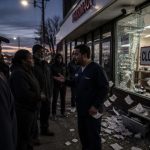
Paramount’s production set up a full-day shoot in Manhattan’s Chinatown, with permits that allowed activity from the predawn hours into the evening and closures on many blocks around Bowery and Canal Street. The community advisory listed Broadway-style wartime visuals: military vehicles, prop weapons and loud special-effects that would stop pedestrian flow and take up parking spaces for hours. John Krasinski even posted that filming had begun, but that didn’t help the residents who lost parking, couldn’t reach Mother’s Day brunches, or were startled awake by explosive noise.
Why residents are furious
This wasn’t a minor inconvenience. Chinatown is a dense, largely residential neighborhood with many elderly residents and small businesses. Mothers, grandchildren and people trying to shop or cook dinner for the holiday found streets barricaded and restaurants harder to reach. Neighborhood leaders complained that hundreds of parking spots were taken and that the timing showed insensitivity to a community celebrating a major holiday. When a city lets a blockbuster production take over streets on a day families plan months ahead for, it’s no surprise folks feel their lives were trampled for a movie shoot.
City response and the hypocrisy problem
The Mayor’s Office of Media and Entertainment — led by Commissioner Rafael Espinal — defended the permitting system, saying film and television production supports thousands of jobs and small businesses and that the office tries to balance economic activity with neighborhood quality of life. That’s the standard talking point, but it rings hollow when balance means booking a holiday takeover in a senior-heavy neighborhood. Mayor Zohran Mamdani campaigned as a defender of regular New Yorkers; yet his administration’s permitting choices here read like an inside favor to Hollywood, with residents left to pick up the tab.
Fix it, Mayor — practical steps now
There are simple, common-sense steps to prevent this from happening again: ban disruptive, full-day shoots in residential neighborhoods on major religious and family holidays; limit early‑morning special-effects; require real community consultation with binding mitigation plans; and force studios to pay for any lost business or parking impacts. If the city wants the film industry’s jobs, it must stop treating neighborhoods as movie sets on demand. Mayor Mamdani and Commissioner Espinal can either start protecting residents or get comfortable handing over the city one holiday at a time to Hollywood crews.