Staff Reports
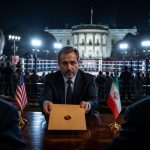
President Donald Trump announced a surprising memorandum of understanding with Iran that the White House says pauses hostilities and reopens the Strait of Hormuz. Senate Minority Leader Chuck Schumer quickly demanded the full text and an immediate congressional briefing. That is the story right now: a claim of peace, questions about the paperwork, and a Capitol Hill demand for answers. Good. Congress should see the deal. The country deserves to know what our leaders actually signed.
Schumer demands a briefing — and the demand makes sense
Senate Minority Leader Chuck Schumer publicly urged the administration to release the MOU and brief Congress “immediately.” He asked what exactly is in this understanding and whether U.S. servicemembers will still be at risk. That is not political theater — it is basic oversight. When the executive branch says hostilities are paused and naval blockades lifted, members of Congress must be able to review the legal and military implications. The White House says the document was digitally signed and a ceremonial signing is planned; it also says the text will be released after that event. But “after the ceremony” is not the same as “now.”
What we’ve heard so far — and what remains unclear
Media reports and diplomatic chatter have sketched a multi-point framework that would reopen the Strait of Hormuz, limit some Iranian maritime restrictions, and promise future talks on nuclear issues. Some outlets suggested big financial packages or access to frozen funds might be involved — reports the administration promptly disputed. Vice President JD Vance confirmed a digital signing and pushed back on claims of immediate cash transfers. Bottom line: the public has been given big headlines, a presidential assurance that Iran “will never have a nuclear weapon,” and a lot of rumors. That’s not a substitute for the actual text of the MOU.
Oversight matters — even when you like the outcome
Make no mistake: Republicans who support a deal that reduces the risk of conflict should still demand accountability. If this administration truly delivered a real reduction in risk to our sailors, our oil routes, and our allies, then putting the agreement on a table for lawmakers and the public to inspect will only strengthen the achievement. If the agreement contains concessions, financial arrangements, or murky enforcement language, Congress should see the legal memos and classified briefings that explain the war-powers and sanctions consequences. And if Democrats are going to rip a president for secrecy one day and demand it the next, that hypocrisy is worth calling out — but it doesn’t change the fact that transparency is required.
Let the White House show the document — and let the politics begin
The smart move for the White House is simple: publish the MOU text, schedule classified and open briefings for the relevant committees, and let both parties examine the legal basis for the claim that hostilities have ended. If this is the peace the administration says it is, then scrutiny will only cement the win. If it isn’t, then Congress must act. Either way, leaks and rumor mills do not serve national security. Schumer is right to ask for details — and conservatives should insist on them too, with the same bluntness we reserve for bad policy. Transparency is the best way to turn a headline into real, lasting peace — or to stop a sham before it costs American lives.