Staff Reports
Yesterday’s Senate hearing gave the public a rare look into what a CIA whistleblower says was a coordinated effort to shape how the U.S. intelligence community handled the origins of COVID‑19. James E. Erdman III, a senior CIA operations officer, went on the record before the Senate Homeland Security and Governmental Affairs Committee and leveled serious, specific allegations that deserve more than a polite shrug.
CIA whistleblower James Erdman’s explosive public claims
Erdman testified that intelligence analysts repeatedly found a laboratory‑associated origin for SARS‑CoV‑2 to be plausible — and in some internal work the most likely explanation — but that agency managers watered down and rewrote those conclusions. He said managers produced a “non‑call” public framing after a “middle‑of‑the‑night, anonymous rewrite,” and that analysts who pushed back faced retaliation. Those are sharp charges against the CIA’s analytic integrity, and Erdman backed them up with examples in his public opening statement.
Dr. Anthony Fauci’s name in the room — allegedly
Erdman also accused Dr. Anthony Fauci — the former director of the National Institute of Allergy and Infectious Diseases and former White House COVID adviser — of “injecting” himself into the intelligence process. The whistleblower said Fauci supplied a “curated, conflicted list” of outside experts who steered the community toward a natural‑origin explanation. Erdman even said plainly that “Dr. Fauci’s role in the cover‑up was intentional.” Those are serious allegations about influence and bias from a non‑government actor, and they raise sharp questions about who was setting the terms for the intelligence analysis.
Why this matters for the intelligence community and the public
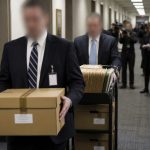
If Erdman’s account is accurate, we’re looking at more than messy interagency politics. We’re looking at possible suppression of analytic judgments, alleged illegal monitoring of investigators, and even claims that the CIA seized boxes of materials DIG was preparing for declassification. The Director’s Initiatives Group at ODNI was created to restore trust and transparency — but Erdman says the CIA resisted that review. For a country that depends on honest intelligence to make policy, those allegations ought to trigger real, document‑driven oversight, not a weekend op‑ed war.
What Congress needs to do next
Chairman Rand Paul and the committee must press for the facts. That means demanding the classified transcript Erdman previously gave to the committee, compelling agency records that show edits and personnel moves, and seeking a formal, detailed response from CIA leadership and from Dr. Fauci or his representatives. ODNI Director Tulsi Gabbard should also release what DIG found or explain why it cannot. And yes, protect whistleblowers so future analysts aren’t silenced for telling the truth.
Bottom line: these are not harmless accusations tossed into a cable news feed. A senior CIA officer just said the intelligence community’s COVID‑origins work was skewed — allegedly under outside influence and internal pressure. If Washington wants any chance at restoring public trust, it must stop hiding behind bureaucracy and answer the questions Erdman raised. Otherwise, the country will be left with more cover‑ups than confidence, and that’s a risk no one should accept.