Staff Reports
Two big headlines landed on the same day: the FBI says it stopped a multi‑state plot to attack a White House event using explosive‑tipped drones and snipers, and the White House rolled out a brief U.S.–Iran memorandum of understanding at the G7 that the president called a breakthrough. One shouted “terror plot,” the other whispered “diplomacy.” Both demand hard questions — and ordinary Americans will feel the consequences long before the pundits finish congratulating themselves.
What the FBI says — and what it didn’t say
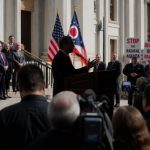
FBI Director Kash Patel announced arrests after investigators say they unraveled a plan to use explosive‑laden drones to hit buildings at the White House South Lawn during the UFC Freedom 250, then target fleeing crowds with snipers and a follow‑on storming of the gate. That’s the kind of plot movie producers dream up when they want a believable apocalypse sequence — except this one wasn’t fiction. The bureau moved fast, and officials emphasized coordination with the Secret Service, but public filings are thin so far; prosecutors and courts will sort the legal details out.
Here’s the practical fallout: weaponized commercial drones are now a visible threat to any outdoor gathering, and local authorities — from park police to event promoters — will tighten rules, add screening, and raise costs. Think more barriers, longer lines, and fewer casual visits to public events on federal property. A kid who wanted to see fighters on the South Lawn will now stand behind another layer of security because someone decided to turn off‑the‑shelf tech into a killing machine.
Why ordinary Americans should care
Security isn’t an abstract line item on a budget. It’s the reason small vendors who show up for events have to pay for extra permits, why neighborhoods around the Mall get locked down, and why your commute might feel like an obstacle course on days of high profile gatherings. The Secret Service can’t make the country a museum; they can only react to evolving threats. When the government keeps the public in the dark about risks until the last minute, trust erodes and sensible debate about equipment, rules, and civil liberties collapses into panic or apathy.
The Iran MOU: diplomacy or theater?
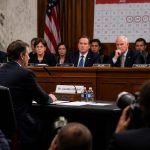
At the same time, the White House unveiled a short memorandum of understanding with Iran — a political framework the administration says starts a 60‑day window toward a more detailed deal. President Donald Trump used G7 appearances to tout the development and warn Iran of “ultimate consequences” if it backslides. The problem isn’t the idea of talking; it’s that the MOU’s text remains sketchy, details are reportedly handled in back channels, and allies and some intelligence officials are asking for the document to be published so Congress and partners can weigh in.
There’s a real national‑security choice here: do you wrap a fragile diplomatic pause in secrecy and hope it holds, or do you build durable, verifiable safeguards that Congress and our allies can inspect? If the former fails, the fallout hits markets, gas prices, and American servicemembers whose lives depend on a credible deterrent. If the latter never materializes because the political rush to claim success outpaces the work, we’ll be left with headlines and no leverage.
A single thread: theater, secrecy, and the cost to citizens
Put the stories side by side and a theme emerges: high drama in public, thin explanation behind closed doors. Whether it’s an alleged plot against a headline event or a shorthand diplomatic deal announced at the G7, Americans get the spectacle first and the evidence — if any — later. That’s bad for security, bad for democracy, and bad for trust.
So we should celebrate courageous law enforcement when they stop a plot, and welcome talks that reduce risk. But we should also insist on facts, transparency, and consequences for anyone who treats national security as a photo op. The question for every voter isn’t whether you like the theater — it’s who’s writing the script, and are they fooling us for applause or actually protecting us?