admin
admin
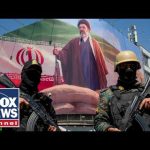
Tehran’s streets were flooded this weekend as Iran staged a dayslong show of grief for the late Supreme Leader Ayatollah Ali Khamenei, whose death in February has reshaped the region’s balance of power. State media and eyewitnesses report the government expected millions to turn out for the ceremonies as officials moved quickly to turn tragedy into a demonstration of regime strength. This spectacle is not spontaneous mourning so much as a calculated theater of power meant to reassure allies and intimidate enemies.
Video from the Mosalla complex makes clear the mood the regime wanted: massive crowds, chest-beating ritual and thunderous anti-American and anti-Israel chants filling the air. Those “Death to America” shouts are not ancient rhetoric muted by time — they remain the rallying cry of a theocratic regime that still prioritizes export of revolution over the lives of its people. Any American who is paying attention should hear that message as a direct threat to our interests and to regional stability.
Iran’s leaders chose to begin the main funeral ceremonies on July 4, a date that will not have been lost on anyone watching from abroad, and certainly not on their domestic audience. That scheduling was a propaganda twofer: boost regime morale at home while rubbings shoulders with global antagonists on a day when the United States marks its freedom. The timing underlines what conservatives have been warning for years — the regime remains committed to antagonism, not conciliation.
Washington quietly agreed to pause talks with Tehran for the funeral period, a pragmatic move but also a reminder that diplomacy with a regime that stages mass displays of hatred has to be handled with eyes open. We should not mistake pauses for progress; negotiating with theocratic rulers who incite violence risks rewarding the very behavior that endangers Americans and our allies. If diplomacy is to be pursued, it must be backed by unmistakable strength and clear consequences, not empty gestures.
Observers have warned about the practical human costs of such massive state-organized gatherings, and grim contingency plans reportedly prepared by municipal authorities underscore the danger of trampling truth beneath propaganda. Iran has a recent and tragic history of stampedes and crowd crushes at funerals, and officials’ counting of “millions” should be viewed through the lens of a regime that routinely inflates turnout for political theater. The cynical use of mourning as a tool of power reveals a leadership that puts optics over ordinary citizens’ safety.
As Iran attempts to consolidate a successor and project unity, Americans must be sober about what that means for the Middle East and for U.S. interests. Theocratic regimes don’t reform because foreign newspapers call for it; they change when their incentives change, and that requires a foreign policy rooted in strength, clear-eyed alliances, and the willingness to defend American interests abroad. We should honor our troops and stand firm for peace through strength rather than hope that parades of hatred will suddenly become gestures of goodwill.
This spectacle in Tehran is a clarifying moment: it shows the regime’s priorities and exposes the hollowness of any naive optimism about its intentions. Patriots who love liberty and the rule of law should demand a policy that protects American families, backs our partners, and refuses to be bullied by posturing. Let the leaders in Washington take note — America’s security cannot be entrusted to wishful thinking while adversaries celebrate our supposed downfall.