Staff Reports
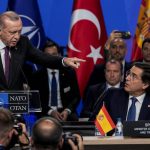
President Trump’s blunt remarks on the sidelines of the NATO summit in Ankara changed the tone of the week. He told reporters the United States will “probably” strike Iran again, warned “there may be a big attack,” and even publicly floated seizing Kharg Island — all coming after CENTCOM said U.S. forces hit “over 80 targets” inside Iran. This is not theater. It is escalation, and the American people deserve to know what it means.
Trump’s Ankara remarks: more strikes likely, threats on Kharg Island
At the NATO summit, President Donald Trump answered a reporter’s question about tonight’s operations with a plain, if provocative, reply: “The answer is probably.” That is a public promise of further action. He also said the U.S. “may take over Kharg Island” and insisted there is “not a thing they could do about it.” Whether you cheer that or fear it, this is a president signaling appetite for a major showdown with Iran — not a private chat behind closed doors.
CENTCOM strikes: “over 80 targets” and the military footprint
The military side of this episode is just as blunt. CENTCOM put out an operational account saying U.S. forces struck more than 80 targets — air-defense sites, command-and-control nodes, coastal radar, anti-ship missile positions, and dozens of IRGC boats in and near the Strait of Hormuz. That is a large, concentrated set of strikes meant to degrade Iran’s ability to hit shipping. Leadership matters in war and in peace; the commander-in-chief is signaling he will back military moves with words.
Why this matters: shipping, oil prices, and NATO politics
These strikes and the White House rhetoric have immediate effects. The Strait of Hormuz is the world’s artery for oil exports, and markets reacted as they always do when supply risk rises — oil prices moved up. Global shipping, maritime insurance, and companies that rely on stable trade lanes now have to plan for disruption. On the diplomatic front, NATO leaders in Ankara are watching closely for spillover or requests for broader support. This isn’t a sideshow. It could reshape allies’ calculations.
What to watch next: confirmation, retaliation, and allied support
Key things to watch are plain. First, will U.S. forces actually carry out another strike tonight as the president suggested? Second, how will Iran respond — with a limited blowback, a wide retaliation, or nothing at all? Third, will NATO publicly line up behind any new U.S. action or limit itself to statements? CENTCOM and allied militaries will issue after-action details if there are follow-ups. Those updates will tell us whether we are facing a contained military message or the opening of a larger campaign.
Bottom line: clear posture, serious risks
President Trump is making a conscious choice to match tough talk with military pressure. Conservatives who believe in deterrence can applaud firmness; prudence demands we also insist on clear objectives and rules of engagement. Threatening to take Kharg Island and boasting about “knocking out a lot of stuff” sounds decisive, but it raises real questions about mission creep, civilian harm, and how long the U.S. wants to be tied to a shooting war in the Gulf. If Washington wants to avoid widening conflict, it must pair strength with strategy — not just sound bites at an international summit. And if diplomacy is off the table, the president should at least tell the nation the endgame, not leave us guessing while markets and sailors pay the price.