admin
admin
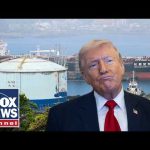
President Trump arrived in Ankara this week for the NATO summit determined to stop letting American taxpayers shoulder the lion’s share of the burden while our allies loaf. He is publicly furious with countries that have long relied on U.S. firepower and cash without pulling their weight, and he is using this summit to force a reckoning rather than offer soft platitudes.
The president has been blunt: it would be “ridiculous” for the United States to maintain the status quo of one-sided support, and he expects real, rapid increases in allied defense spending — not promises to be fulfilled sometime next decade. His administration is demanding concrete progress toward 5 percent spending targets and is even conducting reviews of U.S. force posture in Europe to make sure words translate to action.
Allies responded by rolling out multibillion-dollar defense deals at the summit, but NATO still handed a $4.5 billion surveillance plane contract to Sweden’s Saab instead of an American firm — an immediate snub that underscores why the president is right to push for reciprocity and American industrial strength. This moment should remind patriotic Americans that trade and procurement must advance our national interest, not hand millions to foreign competitors while our own workers and manufacturers suffer.
Mr. Trump didn’t come to Ankara to make friends at any cost; he praised Turkish President Erdoğan where strategic interest demanded it and signaled willingness to recalibrate sanctions to secure American priorities. He’s juggling tough diplomacy — meeting with allies like Israel’s Netanyahu and talking Ukraine and Syria as well — because American leadership means making deals that strengthen U.S. security, not kowtowing to diplomatic niceties.
Conservatives should cheer a president who insists NATO become a partnership of equals rather than a perpetual subsidy for European defense. NATO’s own commanders admit European partners have begun to fill gaps after U.S. cutbacks, proving that pressure and accountability work when applied — exactly the approach the president is insisting upon. If allies want American protection, they should be willing to invest in it.
Beyond money, the summit exposes larger strategic fissures — not least a simmering dispute over Iran and how far the alliance will go to push back against Tehran’s malign behavior. Mr. Trump’s hard line reflects the reality that weak deterrence invites chaos; he’s using high-level meetings to make clear that America will not be boxed into one-sided burdens while threats multiply.
This trip is about restoring common sense to American foreign policy: ask allies to contribute, defend American industry, and pursue policies that keep our homeland safe. Working Americans deserve a foreign policy that protects their jobs, their families, and their future — and President Trump is showing he will not apologize for demanding fairness from partners who for too long took advantage of American generosity.