Staff Reports
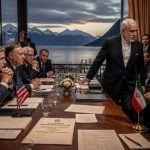
The diplomacy circus rolled into Switzerland this week, and for once it included both a conciliatory handshake and a threat to “hit Iran very hard.” High‑level U.S.–Iran talks wrapped their first round under Pakistani and Qatari mediation, while President Donald Trump publicly warned Tehran to rein in Hezbollah — or face force. It’s a strange duet: an outstretched hand accompanied by a clenched fist.
What happened in Switzerland: talks, roadmaps, and technical teams
Diplomats say the first round produced “encouraging progress.” Mediators from Pakistan and Qatar announced a 60‑day roadmap and agreed to keep technical teams in place to work out how to avoid dangerous incidents. The breakthroughs sound boring — a deconfliction cell, a communication line for the Strait of Hormuz, and a mechanism to reduce fighting in southern Lebanon — but boring is better than bullets. Vice President J.D. Vance called it a chance to “turn over a new leaf,” and that line is being pushed hard by U.S. negotiators as proof that diplomacy can still matter.
Trump’s warning: deterrence or danger to the talks?
While Vance was out there offering a handshake, President Donald Trump took to social media to warn Iran to stop Hezbollah from “causing trouble” in Lebanon — and made plain the use of force was still on the table. Critics howl that public saber‑rattling undercuts talks. Maybe. Or maybe it’s simple realism: diplomacy with bad actors often needs a credible stick behind the carrot. If you want Iran to restrain its proxies, you have to make it costly for them not to. That doesn’t mean we start another war. It means we make deterrence believable.
Big obstacles: Hezbollah, Israel, and verification
Even if the roadmap holds, the hard parts start now. Hezbollah is the live wire. Iran says it wants peace in Lebanon as a condition for broader implementation. Israel fears any deal that ties its hands against an armed militia on its border. Verification is another headache — who checks what and how? Technical teams will argue about these details, but real politics will decide. Israel’s concerns and domestic opposition in Washington will be loud. Iran’s internal politics could derail any pledges at a moment’s notice.
Bottom line: proceed with cautious optimism — and muscle
Call this what it is: a cautious step forward wrapped in old‑fashioned pressure. Negotiators and mediators deserve credit for setting up practical measures to reduce the risk of escalation. But don’t be naive. The U.S. must demand clear verification, shelter Israel’s security needs, and keep credible deterrence in place. If diplomacy works, great. If it doesn’t, we shouldn’t be surprised — and we must be ready to act. That’s not cynicism. It’s common sense with teeth.