Staff Reports
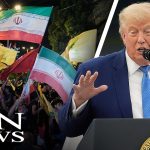
The White House just put its cards on the table: a 14‑point U.S.‑Iran memorandum of understanding (MOU) was publicly released, President Donald J. Trump signed it, and a fast‑track set of implementation talks was supposed to kick off at the Bürgenstock resort in Switzerland. What followed was less like careful diplomacy and more like a reality show — high drama, public threats, and an Iranian walkout or pause reported at the venue. This MOU and the Bürgenstock talks are the real story, and conservatives should treat them with steady skepticism, not applause lights.
What actually happened at Bürgenstock?
The MOU is a 14‑point framework that sets a 60‑day window for technical talks. Vice President J.D. Vance led the U.S. team to Switzerland to turn paper into enforceable steps. But the transition from a press‑release to face‑to‑face bargaining has been bumpy. Reports say the Iranian delegation threatened to leave and at least briefly stepped back from the table after public U.S. threats about resuming strikes. The scene at the Bürgenstock resort became a test of whether vague language can survive real demands and real pressure.
Face‑saving language, face‑saving politics
Here’s the catch: multiple U.S. officials described the MOU as politically framed — designed so Iran can sell it at home. That sounds like diplomacy, but it smells like theater. Iran’s negotiators reportedly demanded enough “wins” to avoid execution or punishment by hardliners back home. If the MOU’s chief purpose is to let Tehran claim victory while giving Washington little real leverage, we’re not negotiating peace — we’re staging a PR stunt. President Trump’s rhetoric about using force again if the deal collapses didn’t exactly calm the room.
Money on the table — real money or mirage?
Central to the controversy is cash and oil. Media reporting has thrown around big numbers: resumed oil exports, reconstruction funds, and headlines citing figures up to $300 billion. Iranian outlets and some leaks demanded immediate access to frozen assets — numbers reported vary from billions to tens of billions. U.S. officials insist any disbursements would be performance‑based, not free cash. That technical distinction matters. Who actually guarantees the reconstruction fund? Which private investors or Gulf states back it? Those are the unanswered budgeting questions that make “MOU” read like a sugar pill for voters and a loaded promise for Tehran.
Why conservatives should push back
We should want a durable, verifiable deal, not a cosmetic one. The headlines and the resort photo op mask three risks: vague wording that can be gamed, massive financial incentives without iron‑clad safeguards, and dangerous public threats that spoil diplomacy. The Strait of Hormuz, Hezbollah rockets on Israel’s border, and Iran’s internal power struggles mean any agreement must be enforceable and clear. If this MOU is a face‑saving script so Tehran can claim victory while returning to bad behavior, then America has traded leverage for a photo. That deserves criticism, not a standing ovation — and a demand for real inspections, real limits, and real, not theatrical, accountability.