Staff Reports
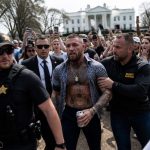
The fight night on the White House South Lawn did more than put fighters in the Octagon — it put the media in full meltdown. A federal judge refused to stop the UFC card billed as “UFC Freedom 250,” clearing the way for the event to proceed as part of the semiquincentennial programming tied to President Donald Trump’s birthday. The predictable outcry from Washington elites and late-night pundits was loud, but empty on the law and weak on principle.
Judge Mehta: No Emergency Stop — Timeliness and Standing Matter
U.S. District Judge Amit P. Mehta declined the plaintiffs’ emergency request for a temporary restraining order, noting they “unreasonably delayed bringing suit.” That’s important. Courts don’t put the brakes on government events at the last minute unless there’s clear, immediate harm. The plaintiffs, represented by the Public Integrity Project, argued the event was an improper private use of federal parkland. But the judge found they hadn’t shown the kind of irreparable harm or the legal standing needed to block the card. The temporary structure nicknamed “the Claw” will be taken down after the show, exactly as the judge ordered.
Law, Timing, and the Real Targets
The lawsuit raised questions about procedural reviews, Park Service rules, and whether a for‑profit company was getting special treatment. Those are valid topics for debate. But filing a last-minute suit and asking a judge to stop an event planned for months is theater — not a legal solution. The White House rightly called the filing “untimely and frivolous.” If you want to change how the South Lawn is used, take it up in Congress and through the National Park Service rules — don’t rush to the courthouse after press coverage hits the outlets.
Optics, Stock Picks, and the Media Tantrum
Yes, there are optics. Reports that President Donald Trump bought a modest stake in TKO Group Holdings — UFC’s parent company — are being waved around as evidence of corruption. Fine. But optics aren’t the same thing as proof. The White House and UFC say the company financed production, Secretary of State Marco Rubio praised a sports-diplomacy MOU with the UFC, and Dana White called staging the Octagon on the South Lawn an “honor.” The real story here is the media’s reflexive moralizing. The same critics who call everything “tacky” somehow think major public events must still pass their taste test.
Why This Matters — And Why Some Americans Like It
Americans like big, noisy events. They like patriotism mixed with spectacle. The South Lawn has hosted balls, speeches, and concerts before — the difference is who’s offended this time. The left’s fury about a fight night on the South Lawn reveals a deeper patriotism problem: they prefer to police symbols rather than compete for the public’s attention. Meanwhile, the event went on, thousands watched, and the legal attempt to stop it folded on basic principles of timing and standing. If you want to protect public land, work within the system. If you want to score political points, be honest about that — and spare us the sanctimony.