admin
admin
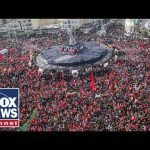
Tehran’s streets have been filled with state-orchestrated mourning as Iran held multi-day funeral rites for Ayatollah Ali Khamenei, a spectacle meant to show a united theocracy even as the country reels from a war that began with the killing of its longtime supreme leader. The scenes on the ground are real — mourners, huge crowds, and tightly controlled displays of grief — but the pageantry cannot hide the regime’s weakness exposed by months of conflict and chaos.
What should unsettle every free nation is that the man announced months ago as Khamenei’s successor, his son Mojtaba, has conspicuously stayed out of sight and did not appear at the state ceremonies where his presence would have been expected. Iranian state media and international outlets report that three of Khamenei’s other sons stood by the coffin while Mojtaba’s absence — officially blamed on security concerns and possible wounds from the February attack — only fuels questions about the succession and Tehran’s stability.
Meanwhile, the fragile ceasefire between the United States and Iran is showing every sign of being “on life support,” as repeated violations and tit-for-tat strikes have tested the limits of any diplomatic papering-over of a dangerous conflict. Fox News and other outlets have documented recent U.S. military responses to Iranian provocations and the ongoing negotiations that look more like a temporary pause than a permanent peace, proving that American strength and resolve remain the true guarantors of any calm.
Conservatives should read the silence from Tehran as the admission it is: a regime scrambling to keep a dangerous illusion alive. Mojtaba’s disappearance is not merely a matter of personal safety; it’s a symbol of a ruling class that cannot command legitimacy without fear and manufactured displays, and it underscores why the West must remain wary of any so-called deals that let the ayatollahs regroup. Reports that he may be injured or targeted are credible reasons for concern, but they don’t erase the fact that Iran’s leadership is brittle and unreliable.
This moment should harden American policy, not soften it: the funeral theater in Tehran is propaganda, not proof of resilience, and the United States must keep pressure on the mullahs until their capacity to threaten our interests is truly diminished. President Trump and his national security team have rightly treated the ceasefire as conditional and reversible, reminding friend and foe alike that peace born of weakness is temporary and that strength brings lasting security for the American people.