Staff Reports
President Trump showed up in Ankara with a short list and a long fuse — and left the NATO summit with allies talking about concrete defense plans, a scrapped Iran ceasefire, and a very public olive branch to Türkiye. Whatever you think of his style, he forced the alliance to move from vague pledges to paperwork and promises that actually affect weapons, budgets and boots on the ground.
On Iran: the interim deal is “over” — and that matters
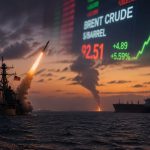
On the sidelines of the summit, President Trump bluntly declared the interim memorandum with Iran “over,” and U.S. military action and policy moves followed. That’s not just talk — revoking a temporary waiver and striking Iranian targets put real pressure on Tehran and ripple-tested energy markets; Americans paying at the pump will notice that in short order. This isn’t diplomatic theater. It changes the day‑to‑day calculations of commanders, oil traders and the families of servicemembers who might be called into a hotter theater.
The Turkey pivot: sanctions off, F‑35 back on the table?
Mr. Trump told leaders he intends to lift CAATSA sanctions on Türkiye and would “certainly consider” returning F‑35 capabilities — a seismic shift from the post‑S‑400 posture that booted Ankara from the program. But words in Ankara don’t automatically cut through U.S. law or congressional oversight; any F‑35 restoration would collide with Capitol Hill and allies nervous about Türkiye’s past choices. For a fighter‑jet program that affects factories, technicians and local suppliers across dozens of U.S. states, that means real businesses and workers have a stake in whether a deal gets done.
Turning a 5% pledge into plans and projects
Last year’s Hague target — pushing European allies to roughly 5% of GDP for defence and resilience — was aspirational. The Ankara meeting was the conversion moment: leaders now have to present clear, fundable plans, not soundbites. NATO Secretary General Mark Rutte pushed the point: show credible capability deliveries, or the pledge is just PR. For everyday Americans, that’s the good part — more allied spending means fewer gaps U.S. forces are expected to fill and less burden on taxpayers at home.
The reactions were predictably mixed: gratitude from some NATO capitals for a tougher line on Iran, alarm from others over abrupt policy swings, and sharp pushback from Israel on any F‑35 restoration to Türkiye. Whatever the squabbling in the press rooms, the test is simple — will allies convert rhetoric into factories humming, munitions bought, and clear deployment plans? If not, Americans will still pay the higher bill for security with fewer guarantees.
Washington can announce policy in a single press briefing, but strategy lives in budgets, congressional votes and factory floor orders. Can allies follow through and can Congress stomach a reset with Ankara — or will Ankara’s diplomacy fizzle once cameras leave? That’s the real question that will decide whether Ankara was a turning point or a high‑stakes photo op.