Staff Reports
President Donald Trump told reporters in Ankara that the interim ceasefire and memorandum of understanding with Iran is “over.” He said he no longer wants to negotiate with Iran’s leaders, called them “scum” and “sick people,” and made clear the U.S. will press its advantage after CENTCOM struck more than 80 Iranian targets following attacks on commercial ships in the Strait of Hormuz. That sharp break from diplomacy matters. It changes the tone in Ankara, on oil markets, and at sea.
Trump Tears Up the Ceasefire at the NATO Summit
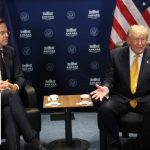
The setting made the moment plain: President Trump was on the sidelines of the NATO leaders’ summit in Ankara when reporters pressed him about the MoU. His answer was short and brutal. He said the deal was likely dead and he didn’t want to deal with Tehran’s leaders anymore. Diplomatic sugarcoating? Not his style. For those who wanted soft words and endless rounds of talking, the window just shut.
Military Backdrop: CENTCOM Strikes and Iranian Retaliation
The president’s remarks came after the U.S. launched strikes on dozens of Iranian military sites. CENTCOM says over 80 targets were hit — air defenses, radar, missile positions and other nodes used to threaten shipping. Iran responded with missiles and drones in the Gulf. The U.S. also revoked a key license that had let Iran sell some oil under the interim deal. That step removed a big incentive Tehran had under the ceasefire. In short: shots were fired, economics tightened, and the paper peace unraveled.
Negotiators, Pressure, and Who’s at the Table
Trump made it clear negotiators like Steve Witkoff and advisers such as Jared Kushner will have to answer to him if talks resume. If they come back with deals that leave Iran’s threats in place, expect more public impatience. That’s a message to our team and to allies at the NATO summit. You can call it blunt. I call it accountable. If diplomacy is worth anything, it must change behavior — not just produce a photo op.
Why the President Is Right — And What Comes Next
We should want our leaders to protect American sailors and global commerce. Blunt talk has a place. So does muscle. But toughness without a plan risks escalation. The right next steps are simple: back our commanders, keep the economic squeeze in place, coordinate with Gulf partners and NATO, and be ready to negotiate only when Iran shows real, verifiable change. Call it firm diplomacy. Call it harsh realism. Either way, this administration just made its choice. Now the hard part begins — turning words and strikes into lasting security, not just headlines.