admin
admin
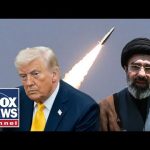
American resolve was tested last week when U.S. forces and Iranian units exchanged strikes in and around the Strait of Hormuz, shattering the fragile ceasefire that had held only briefly. The skirmishes — which included U.S. strikes described by officials as defensive and Iranian retaliatory fire — underline the dangerous reality that Tehran remains willing to threaten global commerce and American lives.
President Donald Trump publicly pushed back against panic, insisting that Tehran actually wants a deal even as the two sides traded blows, and he made clear that any peace will be negotiated on America’s terms. Rather than rushing into a sellout, the president reportedly sent back proposed agreement language with firm changes and stressed patience while keeping pressure on Iran. This approach shows the difference between strength and appeasement — the patience of a commander who refuses to surrender American leverage.
The U.S. response has been measured but unmistakable: military actions intended to protect shipping lanes and deter further Iranian aggression, alongside a naval blockade intended to prevent Tehran from strangling trade. U.S. forces even disabled a merchant vessel that tried to breach the blockade, demonstrating that our military will act decisively to uphold freedom of navigation. These actions tell our adversaries that freedom of the seas and American interests will not be sacrificed for diplomatic vanity.
Make no mistake, Iran’s leaders are reckless and unrepentant; their Revolutionary Guard has repeatedly shown it will lash out at neighbors and American assets alike. Tehran’s rhetoric about “decisive” responses is exactly the kind of bluster that has cost the world stability for years, and it must be met with sustained pressure until it abandons its nuclear ambitions and maritime chokeholds. The choice before us is clear: either Iran alters its behavior or it faces continued strategic isolation and military consequences.
Mainstream media and Democratic critics will clamor for instant handshakes and televised concessions, but serious security agreements require leverage and verification, not press conferences. Conservatives understand that peace built on American strength lasts, while peace built on rushed compromise simply delays the next crisis. If Washington wants a durable truce that reopens the Strait of Hormuz and halts Tehran’s nuclear march, it must insist on verifiable rollback, inspections, and enforceable penalties.
President Trump’s message has been consistent: America is ready to negotiate a real deal, but only if Iran accepts concrete, enforceable terms and stops using violence as a bargaining chip. That steady hand — combining military readiness with tough diplomacy — is exactly what a nation fighting for its security and allies needs in these dangerous times. Patriotic Americans should back a strategy that defends our interests, fortifies our position, and refuses to reward aggression with concessions.
Now is not the time for timidity or theatrical apologies; it is the time for resolve. Trump’s blend of pressure and prudence gives the United States the best chance to secure a lasting peace that protects global trade and stops Iran’s march toward a nuclear arsenal. Hardworking Americans deserve leaders who will keep them safe and put America first, and that is the promise this administration must deliver on.