admin
admin
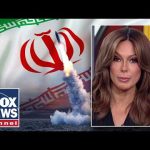
Retired Lt. Gen. Keith Kellogg stamped himself firmly in the center of the debate this week, urging President Donald Trump to “finish the job” against Iran and press the advantage rather than reward delay. Kellogg bluntly argued that decisive measures — including the seizure of strategic islands, cutting off Iran’s energy lifelines and supporting internal opposition — are the pressure points that will break the regime instead of propping it up with empty talk.
President Trump surprised the world on April 7–8, 2026 when he announced a conditional two‑week suspension of planned strikes — a “double‑sided ceasefire” contingent on Iran fully reopening the Strait of Hormuz. That pause was a tactical, temporary step to buy space for talks, not a surrender, and it showed the administration’s willingness to pair tough words with strategic patience when it serves American interests.
Those talks, however, have been fragile at best: diplomacy stretched into a longer negotiating window but yielded little concrete progress, and on July 6, 2026 President Trump made clear there will either be a serious deal or the United States will resume operations to finish the mission. The president’s blunt ultimatum stripped away the niceties and reminded America that strength — not endless concessions — keeps the peace.
Washington insiders and retired generals are publicly split, but the safest bet for the American people is to trust seasoned military judgment over the counsel of career diplomats who apologize for our power. Some former commanders argue the ceasefire is breathing space we can exploit; others say it risks entangling us indefinitely — the debate only underscores that timidity now would hand Tehran a reprieve it does not deserve.
Kellogg’s prescription is not fantasy: targeting Iran’s economic choke points and isolating its leadership created real leverage in recent months and exposed Tehran’s vulnerabilities that negotiators too often ignore. If Washington uses all instruments of national power to compel a lasting outcome that prevents enrichment and denies Iran regional dominance, we’ll protect American families and global energy markets; anything less is a gamble with our security.
Patriots should be glad the White House is not hiding behind euphemisms — Trump’s April address and his July warning show a commander willing to match words with action and to give diplomacy only the time it deserves. Now is the moment for the president to be relentless: finish the mission, secure the strait, and ensure that Iran’s threats end with its rulers, not with capitulation from Washington.