Staff Reports
Americans woke up to another reminder that foreign enemies aren’t just barking from across the ocean — sometimes they’re plotting to strike on our soil. Federal prosecutors say an Iran-linked suspect who authorities describe as a high-level member of an Iran-backed militant group plotted attacks in the U.S. and Europe, and that the alleged plot even included plans to kill Ivanka Trump.
What prosecutors are saying about the Iran-linked plot
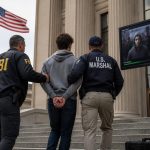
The Justice Department hauled this suspect into a courthouse, pointing to a broader pattern of conspiracy: attacks mapped out in multiple countries, surveillance, and a list of potential targets. Officials labeled him a high-level member of an Iran-backed militant group — language that should make any thinking American sit up. Whether the man is an IRGC operative or a proxy acting with its blessing, the allegation is the same: Tehran’s reach extends beyond diplomacy and into plotting violence.
Why this matters for homeland security
This isn’t academic. A foreign regime or its proxies plotting to assassinate an American — a private citizen, former administration official, and mother — is a direct attack on our civic life. It forces law enforcement to divert resources to protect people and places, raises the threat level at public events, and turns everyday travel into a security calculus for anyone in the public eye. And make no mistake: when foreign regimes decide they can target figures in Europe and the U.S. with impunity, ordinary Americans pay for the fallout in spades.
The political and human cost
There’s a human face here beyond headlines. A mother, a family, staff and Secret Service agents now living with new facts — and the rest of America watching to see whether the full weight of law and policy will follow. This is also about deterrence: if arrest and prosecution are the only responses, what stops the next plot? If we treat every foiled assassination as an isolated crime rather than part of a state-sponsored campaign, we let the pattern continue.
So where do we go from here? We can tighten law enforcement, squeeze financing, and clamp down on proxies; or we can shrug and let these acts be shrugged off as “overseas tensions” that don’t require a firm answer. Which will it be — a wake-up call or business as usual?