Staff Reports
The Middle East just reminded the world that “fragile ceasefire” is a polite phrase for “on thin ice.” U.S. forces launched a major round of strikes on Iranian military targets after attacks on commercial ships in the Strait of Hormuz, and Tehran answered with missile and drone launches that threatened U.S. sites and Gulf states. The situation blew past diplomacy and into kinetic action, and yes — that’s dangerous for shipping, regional allies, and anyone who still believes paper agreements can stop rockets.
What happened and why it matters
CENTCOM says U.S. forces struck roughly 80–90 Iranian targets — air defenses, coastal surveillance, missile and drone storage, and naval logistics — to blunt Iran’s ability to hit commercial shipping in the Strait of Hormuz. Iran then launched missiles and drones aimed at U.S. positions and Gulf allies, and several states reported intercepts and civil alerts. President Donald Trump publicly declared the ceasefire breached and signalled more action if needed. Translation: the paper MoU that kept a short calm is now, bluntly, shredded.
Who is acting — and what they’re saying
Tehran’s hard line and Washington’s response
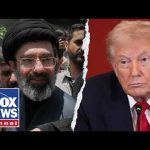
Iran’s new Supreme Leader, Mojtaba Khamenei, vowed retaliation and called U.S. strikes a violation of the agreement. Gulf states — Kuwait, Bahrain, Qatar and others — reported intercepting missiles and urged civilians to shelter. CENTCOM framed the strikes as self‑defense to protect innocent mariners. That’s the basic split: the U.S. says it’s defending free navigation; Iran says it’s being attacked and promises payback. Neither side sounds interested in backing down right now.
The fragile ceasefire and what comes next
Mediators have urged restraint and a return to negotiations, but words don’t stop rockets. The MoU had no real enforcement mechanism, only mutual breath-holding. At this point Washington should keep pressure on Iran’s ability to strike shipping, shore up Gulf defenses, and deepen ties with partners who face the brunt of the threat. If diplomacy is going to work, it needs real leverage — not just talk and wishful thinking.
Make no mistake: standing by allied shipping and Gulf partners is not optional. The choice now is clear — allow Iran to keep chipping away at global trade and regional stability, or use smart, sustained pressure to stop the attacks. President Donald Trump’s muscle moves will make critics cry “escalation,” but letting Iran pick off ships and test the limits of a ceasefire would be a far worse choice. Time for allies to fund defense, for leaders to stop apologizing for strength, and for anyone rooting for chaos to enjoy the fireworks — from a safe distance.