admin
admin
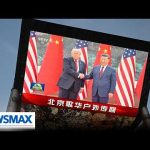
The Washington press corps is having yet another meltdown over President Trump’s visit to Beijing, calling his warm words for Xi Jinping “flattery” and a dangerous concession. But the facts are simple: Trump landed in Beijing for a two-day state visit on May 14–15, 2026, received ceremonial honors and sat across the table from Xi in a summit aimed at stabilizing trade and security ties.
Conservative Americans should remember that this is classic dealmaking — not surrender. For decades, Trump has used personal rapport and blunt praise to disarm rivals and extract concrete promises, a playbook reporters call “flattery” when it works for him and cowardice when it doesn’t for Democrats. Those historical patterns have been noted repeatedly, and they’re part of why dealmakers value personal chemistry in diplomacy.
This week’s Beijing talks were not a photo op only; they centered on deliverables that matter to Main Street — managed trade, tariff relief on targeted goods, and commitments on narcotics and supply chains. Administration sources and multiple outlets show discussion of a managed trade mechanism and potential tariff cuts on roughly $30 billion of non-sensitive imports, while trade and security arrangements like rare-earths and agricultural purchases were on the table. Those are tangible bargaining chips, not empty compliments.
The media’s panic over “flattery” misses the point and reveals a partisan bias: they’d rather mock the form than measure the results. Liberal outlets are eager to interpret a friendly toast as a betrayal, ignoring that constructive engagement has already produced promises on goods purchases, supply-chain access, and pauses on punitive measures that hurt American exporters and farmers. Conservatives should insist on results — jobs, exports, and safer streets — not performative indignation from coastal elites.
Look at who joined Trump to negotiate: major CEOs and industry leaders traveled with him because American business wants outcomes, not virtue-signalling. The presence of figures from major tech and manufacturing firms signaled that American industry believes these talks can unlock supply, ease bottlenecks, and protect crucial sectors — the kind of results-focused diplomacy that keeps factories humming and fields planted back home.
America doesn’t need sermonizing from the media; it needs a president who can sit down, speak plainly, and get deals that benefit working families. If Trump’s charm and blunt praise get Beijing to open markets, stop fentanyl flows, or ease choke points on critical minerals, call it what it is: effective, unapologetic America First diplomacy. Judge this administration by the deliveries, not by the tantrums from the coastal press corps.