admin
admin
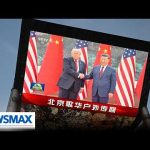
President Trump didn’t travel to Beijing alone — he brought America’s industrial muscle with him, a procession of tech and corporate titans led by Elon Musk and Tim Cook as part of a high-profile delegation on his May 13–15, 2026 visit. This was not a kumbaya photo op; it was a deliberate display of U.S. private-sector power meant to remind the world that American ingenuity still sets the pace.
The trip was built around deals that actually mean jobs and dollars for hardworking Americans: commitments on aviation purchases, agricultural exports and energy sales were front and center as Trump leaned into commerce to advance national interests. This administration wisely prioritized real economic leverage—Boeing jets, soybeans and energy contracts are the tangible wins that rebuild our manufacturing base and rural communities.
Where the visit got serious was on the AI and semiconductor front, with the U.S. quietly clearing sales of Nvidia’s H200-class chips to a handful of Chinese firms even as no physical deliveries have yet happened. Nvidia CEO Jensen Huang even joined the president’s entourage after a last-minute inclusion, underscoring how central advanced chips are to any durable U.S.-China bargain. That mix of private-sector urgency and White House muscle could finally break the logjam—if handled with American security and competitiveness first.
Let’s be clear: the reason these CEOs mattered in the room is because American companies still build the future. Years of talk about “decoupling” haven’t erased the reality that supply chains and sales still crisscross the Pacific, and that interdependence cuts both ways. We should welcome American firms showing strength abroad while insisting that national security and supply-chain resilience come first.
President Trump didn’t apologize for bringing business to the table; he told Xi to “open up” for U.S. commerce and he brought negotiators who can turn promises into payrolls back home. That’s the kind of leadership conservatives should applaud—using leverage and American success to extract concessions that benefit workers and industries across our country. Diplomacy backed by capitalism beats hollow moralizing every time.
Of course, there are critics in Washington who worry about any loosening around AI chip exports, and those concerns deserve sober attention given the military and strategic implications raised earlier this year. Lawmakers have publicly challenged moves that could erode U.S. advantage, and any deal must include ironclad safeguards so technology doesn’t become a transfer belt to our rivals. Pragmatism isn’t appeasement; it’s securing American dominance while protecting our troops and citizens.
The sight of Elon Musk, Tim Cook and other captains of industry standing with the president is a reminder that American exceptionalism isn’t a slogan — it’s our workforce, our entrepreneurs and our CEOs who keep the lights on and the innovation pipeline flowing. Left-wing critics will bleat about optics, but they can’t deny the results when deals land, factories hum and families see steady paychecks. This is the politics of competence conservatives should own and sell to the nation.
If the trip yields more U.S. exports, stronger supply chains and enforceable limits on sensitive technology transfers, it will be a win for American workers, farmers and taxpayers. Washington’s job now is to convert the flash of diplomacy into lasting policy: protect our security, reward enterprise, and never hand Beijing an unearned advantage. Patriots know the difference between naive isolationism and smart, unapologetic American economic statecraft — and this delegation was a bold step in the right direction.