Staff Reports
The news is simple and messy at the same time: a string of performers have backed away from the Freedom 250 “Great American State Fair” on the National Mall, and the latest big names to bow out are Martina McBride and Bret Michaels. Both say they were promised a nonpartisan celebration and then decided the event had become too political or even unsafe. That claim, true or not, has left organizers and the public scrambling and President Donald J. Trump openly weighing whether to replace the concert with a rally instead.
What happened at the Freedom 250 Great American State Fair
The short version: several acts announced for the Freedom 250 concert series pulled out within days of the first lineup being published. Martina McBride said she was told the show would be nonpartisan and family friendly, then called that representation “misleading.” Bret Michaels echoed the complaint, adding that safety concerns and threats factored into his decision. Freedom 250 materials insist the Great American State Fair was meant to “uplift and unite America,” but the event’s ties to President Donald J. Trump and CEO Keith Krach made artists—and their publicists—think twice.
Why artists withdrawing from the National Mall show matters
This isn’t just about a few canceled gigs. It is a snapshot of how political optics now govern culture. When a government-linked initiative is involved, performers feel pressure to pick a side. Some of these artists say they were misled. That may be true in parts. But it’s also fair to ask why seasoned professionals didn’t notice the White House connection before signing on. If you’re worried about being labeled partisan, don’t accept an invite tied to a presidential launch and then act surprised when people notice.
Safety claims, reputation risk, and the PR scramble
Bret Michaels mentioned threats as a reason to withdraw, and threats are not a joke. Safety matters. Still, headlines that say “divisive” or “misleading” are doing double duty: protecting reputations while nudging fans toward the idea that the artists turned down a patriotic celebration out of principle. The result is chaos: half the initial lineup has publicly distanced itself, some acts deny they were ever booked, and a few smaller names still insist they will play. That mess leaves organizers with a choice—clarify who was contracted and why, or swap the stages for speeches.
Where we go from here
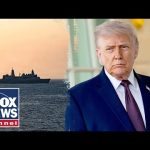
President Donald J. Trump’s reaction—calling departing performers “third rate” and suggesting an “AMERICA IS BACK” rally—was predictable and shows the next possible chapter. If the Freedom 250 team wants a real celebration that draws talent and attention without controversy, transparency is the path forward. Tell people who was contacted, show the contracts, and stop pretending associations don’t matter. For the artists, a little due diligence would have saved everyone a lot of posturing. For the public, the lesson is simple: when politics and pageantry meet on the National Mall, someone will get burned. We should hope the country’s 250th—yes, 250th—gets a true, unifying salute, not another spectacle of cultural tug-of-war.